shiro工作流程

基本描述以及shiro是如何执行的,包含认证和授权流程

基本描述

  • Apache Shiro是Java的一个安全(权限)框架
  • 可以在JavaSE,javaEE环境
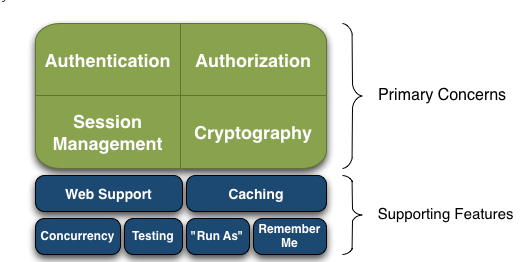
  • 功能点:认证,授权,加密、会话管理、web集成、缓存等

shiro功能点

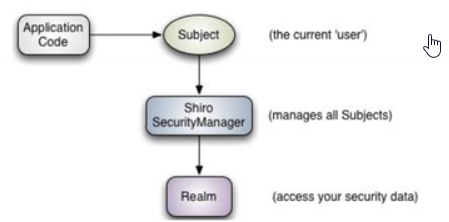
应用程序角度

shiro外部架构

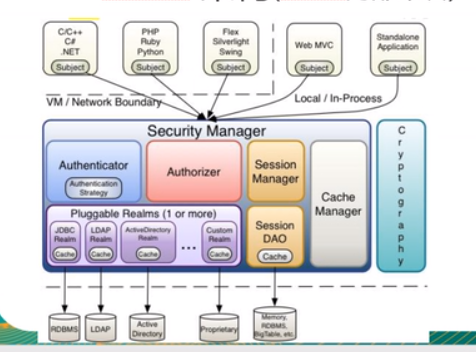
Shiro内部架构

1532848598409

例子

1
2
3
4
5
6
7
8
9
10
11
12
13
14
15
16
17
18
19
20
21
22
23
24
25
26
27
28
29
30
31
32
33
34
35
36
37
38
39
40
41
42
43
44
public class UserRealm extends AuthorizingRealm {

private UserService userService;

public void setUserService(UserService userService) {
this.userService = userService;
}

// 从数据库中获取权限信息
@Override
protected AuthorizationInfo doGetAuthorizationInfo(PrincipalCollection principals) {
String username = (String)principals.getPrimaryPrincipal();

SimpleAuthorizationInfo authorizationInfo = new SimpleAuthorizationInfo();
// 从数据库中查询当前用户所拥有的角色
authorizationInfo.setRoles(userService.findRoles(username));
// 从数据库中查询当前用户所拥有的权限
authorizationInfo.setStringPermissions(userService.findPermissions(username));
return authorizationInfo;
}

// 从数据库中获取认证信息
@Override
protected AuthenticationInfo doGetAuthenticationInfo(AuthenticationToken token) throws AuthenticationException {
String username = (String)token.getPrincipal();
User user = userService.findByUsername(username);
if(user == null) {
throw new UnknownAccountException();//没找到帐号
}
if(Boolean.TRUE.equals(user.getLocked())) {
throw new LockedAccountException(); //帐号锁定
}
//交给AuthenticatingRealm使用CredentialsMatcher进行密码匹配,如果觉得人家的不好可以自定义实现
SimpleAuthenticationInfo authenticationInfo = new SimpleAuthenticationInfo(
user.getUsername(), //用户名 principal
user.getPassword(), //密码 hashedCredentials
//注册的时候生成盐值 credentialsSalt
ByteSource.Util.bytes(user.getCredentialsSalt()),//salt=username+salt
getName() //realmName
);
return authenticationInfo;
}

}

工作流程

入口:DelegatingFilterProxy

web.xml中的shiro入口

1
2
3
4
5
6
7
8
9
10
11
12
<filter>
<filter-name>shiroFilter</filter-name>
<filter-class>org.springframework.web.filter.DelegatingFilterProxy</filter-class>
<init-param>
<param-name>targetFilterLifecycle</param-name>
<param-value>true</param-value>
</init-param>
</filter>
<filter-mapping>
<filter-name>shiroFilter</filter-name>
<url-pattern>/*</url-pattern>
</filter-mapping>

DelegatingFilterProxy 是Filter的代理,代理的是spring容器中的filter-name一样的bean,

1
2
3
4
5
6
7
8
9
10
11
12
13
14
15
16
17
18
19
<bean id="shiroFilter" class="org.apache.shiro.spring.web.ShiroFilterFactoryBean">
<property name="securityManager" ref="securityManager"/>
<property name="loginUrl" value="/login.jsp"/>
<property name="successUrl" value="/loginsuccess"/>
<property name="unauthorizedUrl" value="/unauthorized.jsp"/>
<!--
配置哪些页面需要受保护,以及访问这些页面需要的权限 过滤实现
anon 可以被匿名访问
authc 必须认证后才可以访问的页面
-->
<property name="filterChainDefinitions">
<value>
/loginsuccess = anon ===AnonymousFilter
/logout = logout
/user.jsp = roles[user]====RolesAuthorizationFilter
/** = authc ====FormAuthenticationFilter
</value>
</property>
</bean>

初始化:shiroFilter

1540385548793

ShiroFilterFactoryBean 实现了spring FactoryBean ,getObject获取实例

1
2
3
4
5
6
7
public Object getObject() throws Exception {
if (this.instance == null) {
this.instance = this.createInstance();
}

return this.instance;
}
1
2
3
4
5
6
7
8
9
10
11
12
protected AbstractShiroFilter createInstance() throws Exception {
log.debug("Creating Shiro Filter instance.");
//1、安全管理器
SecurityManager securityManager = this.getSecurityManager();
//2、过滤器链管理器
FilterChainManager manager = this.createFilterChainManager();
//3、基于路径匹配的过滤器链解析器
PathMatchingFilterChainResolver chainResolver = new PathMatchingFilterChainResolver();
chainResolver.setFilterChainManager(manager);
//返回shirofilter对象到spring容器中
return new ShiroFilterFactoryBean.SpringShiroFilter((WebSecurityManager)securityManager, chainResolver);
}

property filterChainDefinitions 属性,会调用setFilterChainDefinitions

1
2
3
4
5
6
7
public void setFilterChainDefinitions(String definitions) {
Ini ini = new Ini();
ini.load(definitions);
//section key为url,value 为filter名称
Section section = ini.getSection("urls");
this.setFilterChainDefinitionMap(section);
}

SecurityManager

FilterChainManager

1
2
3
4
5
6
7
8
9
10
11
12
13
14
15
16
17
18
19
20
21
22
23
24
25
26
27
28
29
30
31
32
33
34
35
36
37
protected FilterChainManager createFilterChainManager() {
//创建DefaultFilterChainManager,添加默认的filters到manager
DefaultFilterChainManager manager = new DefaultFilterChainManager();
//设置默认Filter的基本属性
Map<String, Filter> defaultFilters = manager.getFilters();
for (Filter filter : defaultFilters.values()) {
//设置相关FilterURL的loginurl,successurl,unauthorizedUrl属性
applyGlobalPropertiesIfNecessary(filter);
}
//获取在spring配置文件中的配置的Filter,eg:logout
Map<String, Filter> filters = getFilters();
if (!CollectionUtils.isEmpty(filters)) {
for (Map.Entry<String, Filter> entry : filters.entrySet()) {
String name = entry.getKey();
Filter filter = entry.getValue();
applyGlobalPropertiesIfNecessary(filter);
if (filter instanceof Nameable) {
((Nameable) filter).setName(name);
}
// 将配置的Filter添加至manager中,如果同名Filter已存在则覆盖默认Filter
manager.addFilter(name, filter, false);
}
}
//配置的FilterChainDefinition
Map<String, String> chains = this.getFilterChainDefinitionMap();
if (!CollectionUtils.isEmpty(chains)) {
for (Map.Entry<String, String> entry : chains.entrySet()) {
String url = entry.getKey();
String chainDefinition = entry.getValue();
// 为配置的每一个URL匹配创建FilterChain定义,
// 这样当访问一个URL的时候,一旦该URL配置上则就知道该URL需要应用上哪些Filter
// 由于URL配置符会配置多个,所以以第一个匹配上的为准,所以越具体的匹配符应该配置在前面,越宽泛的匹配符配置在后面
manager.createChain(url, chainDefinition);
}
}
return manager;
}
DefaultFilterChainManager
1
2
3
4
5
public DefaultFilterChainManager() {
this.filters = new LinkedHashMap<String, Filter>();
this.filterChains = new LinkedHashMap<String, NamedFilterList>();
addDefaultFilters(false);
}
1
2
3
4
5
protected void addDefaultFilters(boolean init) {
for (DefaultFilter defaultFilter : DefaultFilter.values()) {
addFilter(defaultFilter.name(), defaultFilter.newInstance(), init, false);
}
}
DefaultFilter 过滤器

11个

1
2
3
4
5
6
7
8
9
10
11
anon(AnonymousFilter.class),
authc(FormAuthenticationFilter.class),
authcBasic(BasicHttpAuthenticationFilter.class),
logout(LogoutFilter.class),
noSessionCreation(facion ico.class),
perms(PermissionsAuthorizationFilter.class),
port(PortFilter.class),
rest(HttpMethodPermissionFilter.class),
roles(RolesAuthorizationFilter.class),
ssl(SslFilter.class),
user(UserFilter.class);
filterChains过滤器链

是一个linkedhashmap,key为配置的url,value为对应的过滤器

PathMatchingFilterChainResolver

创建了新的filterchainfilter,然后又被前面创建的覆盖了,有问题!!!

  1. 基于ant路径匹配方法匹配配置的url,

  2. pathMatchingFilterChainResolver设置创建的FilterChainManager对象,所以URL匹配上后可以获取该URL需要应用的FilterChain了。

filter执行—匹配filter

(错误)通过请求的url,获取要走的过滤链,或者说,所有请求都走一样的过滤链,过滤器中由判断自己是否支持该请求

(正解),所有的请求走一个过滤器org.springframework.web.filter.DelegatingFilterProxy#doFilter

1
2
3
4
5
org.apache.shiro.web.servlet.OncePerRequestFilter#doFilter==执行被代理类doFilter
org.apache.shiro.web.servlet.AbstractShiroFilter#doFilterInternal
createSubject AbstractShiroFilter#createSubject== 创建subject
updateSessionLastAccessTime == 更新session最后访问时间
executeChain AbstractShiroFilter#executeChain ==获取过滤链,执行过滤方法
1
2
3
4
5
protected void executeChain(ServletRequest request, ServletResponse response, FilterChain origChain){
FilterChain chain = getExecutionChain(request, response, origChain);
//获取过滤链:如FormAuthenticationFilter
chain.doFilter(request, response);
}
1
2
eg:FormAuthenticationFilter#doFilter===父类OncePerRequestFilter的doFilter
OncePerRequestFilter#doFilter---doFilterInternal---AdviceFilter#doFilterInternal
1
2
3
4
5
6
7
8
9
10
11
12
13
14
15
16
17
18
19
AdviceFilter#doFilterInternal
preHandle
AdviceFilter#preHandle true
LogoutFilter#preHandle false
PathMatchingFilter#preHandle--isFilterChainContinued--onPreHandle
AnonymousFilter#onPreHandle true
NoSessionCreationFilter#onPreHandle true
PathMatchingFilter#onPreHandle true
AccessControlFilter#onPreHandle
isAccessAllowed
onAccessDenied
executeChain ==其他过滤器执行
postHandle ==没有实现类
cleanup
AdviceFilter#cleanup ==没实现
AuthenticatingFilter#cleanup
onAccessDenied
FormAuthenticationFilter#onAccessDenied
BasicHttpAuthenticationFilter#onAccessDenied

filter 执行顺序

https://www.cnblogs.com/ljdblog/p/6237683.html

https://www.cnblogs.com/q95265/p/6928081.html

filter执行—doFilter

1
2
3
4
5
6
7
8
9
10
11
12
13
14
15
16
17
18
19
20
public final void doFilter(ServletRequest request, ServletResponse response, FilterChain filterChain){
String alreadyFilteredAttributeName = getAlreadyFilteredAttributeName();
if ( request.getAttribute(alreadyFilteredAttributeName) != null ) {
//已经执行过该过滤器
filterChain.doFilter(request, response);
} else if ( !isEnabled(request, response) ||shouldNotFilter(request) ) {
//该过滤器不适合该请求
filterChain.doFilter(request, response);
} else {
request.setAttribute(alreadyFilteredAttributeName, Boolean.TRUE);
try {
//执行该过滤器
doFilterInternal(request, response, filterChain);
} finally {
// Once the request has finished, we're done and we don't
// need to mark as 'already filtered' any more.
request.removeAttribute(alreadyFilteredAttributeName);
}
}
}

shiro通过一系列url匹配符配置URL应用上的Filter,然后在Filter中完成相应的任务。核心逻辑-doFilterInternal

OncePerRequestFilter:保证每个filter都执行一次

​ –AbstractShiroFilter

​ –AdviceFilter

AbstractShiroFilter

springfactorybean返回的bean核心就是这个类,封装为shirofilter

构造方法

1
2
3
4
5
6
7
8
9
10
public void init() throws Exception {
WebEnvironment env = WebUtils.getRequiredWebEnvironment(getServletContext());
//SecurityManager
setSecurityManager(env.getWebSecurityManager());
//FilterChainResolver
FilterChainResolver resolver = env.getFilterChainResolver();
if (resolver != null) {
setFilterChainResolver(resolver);
}
}
1
2
3
4
5
6
7
8
9
10
11
12
13
protected void doFilterInternal(ServletRequest servletRequest, ServletResponse servletResponse, final FilterChain chain) {
final ServletRequest request = prepareServletRequest(servletRequest, servletResponse, chain);
final ServletResponse response = prepareServletResponse(request, servletResponse, chain);
final Subject subject = createSubject(request, response);
//noinspection unchecked
subject.execute(new Callable() {
public Object call() throws Exception {
updateSessionLastAccessTime(request, response);
executeChain(request, response, chain);
return null;
}
});
}
createSubject

每次调用都会创建subject

executeChain
1
2
3
4
5
6
protected void executeChain(ServletRequest request, ServletResponse response, FilterChain origChain) {
//获取当前url匹配的过滤器链
FilterChain chain = getExecutionChain(request, response, origChain);
//执行过滤器链中过滤器
chain.doFilter(request, response);
}
1
2
3
4
5
6
7
8
9
10
11
12
13
14
15
16
17
18
protected FilterChain getExecutionChain(ServletRequest request, ServletResponse response, FilterChain origChain) {
FilterChain chain = origChain;
//获取过滤器链解析器,即创建的PathMatchingFilterChainResolver对象
FilterChainResolver resolver = getFilterChainResolver();
if (resolver == null) {
log.debug("No FilterChainResolver configured. Returning original FilterChain.");
return origChain;
}
// 调用其getChain方法,根据URL匹配相应的过滤器链
FilterChain resolved = resolver.getChain(request, response, origChain);
if (resolved != null) {
log.trace("Resolved a configured FilterChain for the current request.");
chain = resolved;
} else {
log.trace("No FilterChain configured for the current request. Using the default.");
}
return chain;
}

AdviceFilter

这个类很多方法实现了spring中的aop特点,prehandle前置通知,posthandle后置通知,异常不执行,afterCompletion (最终通知,一定会执行),可以根据需求覆写这几个方法

1
2
3
4
5
6
7
8
9
10
11
12
13
14
15
16
17
18
public void doFilterInternal(ServletRequest request, ServletResponse response, FilterChain chain){
Exception exception = null;
try {
//前置通知,判断该过滤链是否支持该请求
boolean continueChain = preHandle(request, response);
if (continueChain) {
//执行过滤器链
executeChain(request, response, chain);
}
//后置通知
postHandle(request, response);
} catch (Exception e) {
exception = e;
} finally {
//最终通知
cleanup(request, response, exception);
}
}

eg:

  • preHandle
  1. 根据配置,访问URL:”/authenticated.jsp”时,会匹配上authc(FormAuthenticationFilter)
  2. FormAuthenticationFilter继承自PathMatchingFilter,所以返回true ,而logoutfilter会返回false,啥也没有返回给页面,页面显示空白
1
2
3
4
5
6
7
8
9
10
11
12
13
protected boolean preHandle(ServletRequest request, ServletResponse response) throws Exception {
for (String path : this.appliedPaths.keySet()) {
// If the path does match, then pass on to the subclass implementation for specific checks
//(first match 'wins'):
if (pathsMatch(path, request)) {
log.trace("Current requestURI matches pattern '{}'. Determining filter chain execution...", path);
Object config = this.appliedPaths.get(path);
return isFilterChainContinued(request, response, path, config);
}
}
//no path matched, allow the request to go through:
return true;
}
1
2
3
4
private boolean isFilterChainContinued(ServletRequest request, ServletResponse response,
String path, Object pathConfig) throws Exception {
return onPreHandle(request, response, pathConfig);
}

org.apache.shiro.web.filter.AccessControlFilter#onPreHandle

1
2
3
4
public boolean onPreHandle(ServletRequest request, ServletResponse response, Object mappedValue) throws Exception {
//如果isAccessAllowed方法返回false,则会执行onAccessDenied方法
return isAccessAllowed(request, response, mappedValue) || onAccessDenied(request, response, mappedValue);
}

isAccessAllowed:表示是否允许访问;mappedValue就是[urls]配置中拦截器参数部分,如果允许访问返回true,否则false;

onAccessDenied:表示当访问拒绝时是否已经处理了;如果返回true表示需要继续处理;如果返回false表示该拦截器实例已经处理了,将直接返回即可

org.apache.shiro.web.filter.authc.AuthenticatingFilter#isAccessAllowed

1
2
3
4
protected boolean isAccessAllowed(ServletRequest request, ServletResponse response, Object mappedValue) {
return super.isAccessAllowed(request, response, mappedValue) ||
(!isLoginRequest(request, response) && isPermissive(mappedValue));
}

org.apache.shiro.web.filter.authc.AuthenticationFilter#isAccessAllowed

1
2
3
4
protected boolean isAccessAllowed(ServletRequest request, ServletResponse response, Object mappedValue) {
Subject subject = getSubject(request, response);
return subject.isAuthenticated();
}
1
2
3
4
5
6
7
8
9
10
11
12
13
14
15
16
17
18
19
20
21
22
23
24
25
26
protected boolean onAccessDenied(ServletRequest request, ServletResponse response) throws Exception {
//是否为登陆请求
if (isLoginRequest(request, response)) {
//是否是POST请求
if (isLoginSubmission(request, response)) {
if (log.isTraceEnabled()) {
log.trace("Login submission detected. Attempting to execute login.");
}
return executeLogin(request, response);
} else {
if (log.isTraceEnabled()) {
log.trace("Login page view.");
}
//allow them to see the login page ;)
return true;
}
} else {
if (log.isTraceEnabled()) {
log.trace("Attempting to access a path which requires authentication. Forwarding to the " +
"Authentication url [" + getLoginUrl() + "]");
}
//执行跳转到登陆界面login.jsp
saveRequestAndRedirectToLogin(request, response);
return false;
}
}

login.jsp也会被拦截,执行到这里然后访问login.jsp,

再然后post请求这个url,就会执行executeLogin

org.apache.shiro.web.filter.authc.AuthenticatingFilter#executeLogin

1
2
3
4
5
6
7
8
9
10
11
12
13
14
15
16
17
protected boolean executeLogin(ServletRequest request, ServletResponse response) throws Exception {
AuthenticationToken token = createToken(request, response);
if (token == null) {
String msg = "createToken method implementation returned null. A valid non-null AuthenticationToken " +
"must be created in order to execute a login attempt.";
throw new IllegalStateException(msg);
}
try {
Subject subject = getSubject(request, response);
subject.login(token);
//重定向到上次访问的url,过滤链不再执行
return onLoginSuccess(token, subject, request, response);
} catch (AuthenticationException e) {
//过滤链继续执行,返回到登陆界面
return onLoginFailure(token, e, request, response);
}
}

认证流程

1
2
3
4
5
6
7
8
9
10
11
12
13
14
15
16
17
18
19
20
21
22
23
24
25
26
27
28
29
30
31
32
33
34
35
36
37
38
public void login(AuthenticationToken token) throws AuthenticationException {
clearRunAsIdentitiesInternal();
//securityManager 登录
Subject subject = securityManager.login(this, token);

PrincipalCollection principals;

String host = null;

if (subject instanceof DelegatingSubject) {
DelegatingSubject delegating = (DelegatingSubject) subject;
//we have to do this in case there are assumed identities - we don't want to lose the 'real' principals:
principals = delegating.principals;
host = delegating.host;
} else {
principals = subject.getPrincipals();
}

if (principals == null || principals.isEmpty()) {
String msg = "Principals returned from securityManager.login( token ) returned a null or " +
"empty value. This value must be non null and populated with one or more elements.";
throw new IllegalStateException(msg);
}
this.principals = principals;
this.authenticated = true;
if (token instanceof HostAuthenticationToken) {
host = ((HostAuthenticationToken) token).getHost();
}
if (host != null) {
this.host = host;
}
Session session = subject.getSession(false);
if (session != null) {
this.session = decorate(session);
} else {
this.session = null;
}
}
1
2
3
4
5
6
7
8
9
10
11
12
13
14
15
16
17
18
19
20
21
22
23
public Subject login(Subject subject, AuthenticationToken token) throws AuthenticationException {
AuthenticationInfo info;
try {
//关键逻辑
info = authenticate(token);
} catch (AuthenticationException ae) {
try {
onFailedLogin(token, ae, subject);
} catch (Exception e) {
if (log.isInfoEnabled()) {
log.info("onFailedLogin method threw an " +
"exception. Logging and propagating original AuthenticationException.", e);
}
}
throw ae; //propagate
}
//认证成功,重新创建subject
Subject loggedIn = createSubject(token, info, subject);
//处理rememberme逻辑
onSuccessfulLogin(token, info, loggedIn);

return loggedIn;
}

org.apache.shiro.mgt.AuthenticatingSecurityManager#authenticate

1
2
3
public AuthenticationInfo authenticate(AuthenticationToken token) {
return this.authenticator.authenticate(token);
}

org.apache.shiro.authc.AbstractAuthenticator#authenticate

​ org.apache.shiro.authc.pam.ModularRealmAuthenticator#authenticate

模板方法模式

1
2
3
4
5
6
7
8
9
protected AuthenticationInfo doAuthenticate(AuthenticationToken authenticationToken) throws AuthenticationException {
assertRealmsConfigured();
Collection<Realm> realms = getRealms();
if (realms.size() == 1) {
return doSingleRealmAuthentication(realms.iterator().next(), authenticationToken);
} else {
return doMultiRealmAuthentication(realms, authenticationToken);
}
}
1
2
3
4
5
6
7
8
9
10
11
12
13
14
15
16
17
protected AuthenticationInfo doMultiRealmAuthentication(Collection<Realm> realms, AuthenticationToken token) {
//多realm下的认证策略默认实现为AtLeastOneSuccessfulStrategy
AuthenticationStrategy strategy = getAuthenticationStrategy();
AuthenticationInfo aggregate = strategy.beforeAllAttempts(realms, token);
for (Realm realm : realms) {
aggregate = strategy.beforeAttempt(realm, token, aggregate);
if (realm.supports(token)) {
//关键实现方法
AuthenticationInfo info = realm.getAuthenticationInfo(token);
aggregate = strategy.afterAttempt(realm, token, info, aggregate, t);
} else {
log.debug("Realm [{}] does not support token {}. Skipping realm.", realm, token);
}
}
aggregate = strategy.afterAllAttempts(token, aggregate);
return aggregate;
}
1
2
3
4
5
6
7
8
9
10
11
12
13
14
public final AuthenticationInfo getAuthenticationInfo(AuthenticationToken token) throws AuthenticationException {
AuthenticationInfo info = getCachedAuthenticationInfo(token);
if (info == null) {
//覆盖实现核心认证信息
info = doGetAuthenticationInfo(token);
if (token != null && info != null) {
cacheAuthenticationInfoIfPossible(token, info);
}
}
if (info != null) {
assertCredentialsMatch(token, info);
}
return info;
}

eg:自定义realmA实现AuthenticatingRealm

1
2
3
4
5
6
7
8
9
10
11
12
13
14
15
16
17
18
19
20
21
22
23
24
25
public class ShiroRealmA extends AuthenticatingRealm {
@Override
protected AuthenticationInfo doGetAuthenticationInfo(AuthenticationToken token) throws AuthenticationException {
System.out.println("===>ShiroRealmA<=====" + JSON.toJSONString(token));
/**
* 1. 吧AuthenticationToken转为usernamepasswordtoken
* 2. 获取用户名与密码
* 3. 调用数据库的方法
* 4. 根据数据库用户情况抛出异常或构建AuthenticationInfo
*/
UsernamePasswordToken usernamePasswordToken = (UsernamePasswordToken) token;
String username = usernamePasswordToken.getUsername();
// 数据库获取的密码,,前端加密 密码加密
//盐值一般是唯一值,可以是用户名
ByteSource salt = ByteSource.Util.bytes(username);
Object credentials = "123";
Object credentialsMD5 = new SimpleHash("MD5", credentials, salt, 2);

if ("zs".equals(username)) {
return new SimpleAuthenticationInfo(username,credentialsMD5, salt, this.getName());
} else {
throw new AuthenticationException();
}
}
}

授权流程

perms(PermissionsAuthorizationFilter.class) :url是否有权限

roles(RolesAuthorizationFilter.class), :url是否有该角色

1
2
3
4
5
6
7
8
9
10
11
12
13
14
15
16
17
18
19
public boolean isAccessAllowed(ServletRequest request, ServletResponse response, Object mappedValue) throws IOException {
Subject subject = getSubject(request, response);
//访问需要的权限
String[] perms = (String[]) mappedValue;
//subject判断是否有权限
boolean isPermitted = true;
if (perms != null && perms.length > 0) {
if (perms.length == 1) {
if (!subject.isPermitted(perms[0])) {
isPermitted = false;
}
} else {
if (!subject.isPermittedAll(perms)) {
isPermitted = false;
}
}
}
return isPermitted;
}

ModularRealmAuthorizer.isPermitted

1
2
3
4
5
6
7
8
9
10
11
public boolean isPermitted(PrincipalCollection principals, String permission) {
assertRealmsConfigured();
for (Realm realm : getRealms()) {
if (!(realm instanceof Authorizer)) continue;
// 调用Realm的isPermitted方法
if (((Authorizer) realm).isPermitted(principals, permission)) {
return true;
}
}
return false;
}
1
2
3
public boolean isPermitted(String permission) {
return hasPrincipals() && securityManager.isPermitted(getPrincipals(), permission);
}
1
2
public boolean isPermitted(PrincipalCollection principals, String permissionString) {
return this.authorizer.isPermitted(principals, permissionString);
1
2
3
4
5
6
7
8
9
public boolean isPermitted(PrincipalCollection principals, String permission) {
Permission p = getPermissionResolver().resolvePermission(permission);
return isPermitted(principals, p);
}

public boolean isPermitted(PrincipalCollection principals, Permission permission) {
AuthorizationInfo info = getAuthorizationInfo(principals);
return isPermitted(permission, info);
}
1
2
3
4
5
6
7
8
9
10
11
12
13
14
15
16
17
18
19
20
protected AuthorizationInfo getAuthorizationInfo(PrincipalCollection principals) {

AuthorizationInfo info = null;
//缓存中获取授权信息
Cache<Object, AuthorizationInfo> cache = getAvailableAuthorizationCache();
if (cache != null) {
Object key = getAuthorizationCacheKey(principals);
info = cache.get(key);
}
if (info == null) {
// 继承覆盖实现获取授权信息
info = doGetAuthorizationInfo(principals);
if (info != null && cache != null) {
Object key = getAuthorizationCacheKey(principals);
cache.put(key, info);
}
}

return info;
}

ModularRealmAuthorizer.isPermittedAll

AuthorizationFilter#onAccessDenied

1
2
3
4
5
6
7
8
9
10
11
12
13
14
15
16
protected boolean onAccessDenied(ServletRequest request, ServletResponse response) throws IOException {
Subject subject = getSubject(request, response);
//未登陆,跳转到登陆界面
if (subject.getPrincipal() == null) {
saveRequestAndRedirectToLogin(request, response);
} else {
//登陆未授权、返回未授权界面或者401状态码
String unauthorizedUrl = getUnauthorizedUrl();
if (StringUtils.hasText(unauthorizedUrl)) {
WebUtils.issueRedirect(request, response, unauthorizedUrl);
} else {
WebUtils.toHttp(response).sendError(HttpServletResponse.SC_UNAUTHORIZED);
}
}
return false;
}

FormAuthenticationFilter

Onceperrequestfilter#doFilter

adviceFilter#doFilterInternal

AdviceFilter#preHandle true

AuthenticatingFilter#cleanup

FormAuthenticationFilter#onAccessDenied

1
2
3
4
5
6
7
8
9
10
11
12
13
14
protected boolean onAccessDenied(ServletRequest request, ServletResponse response) throws Exception {
//是否为登陆请求
if (isLoginRequest(request, response)) {
//是否是post请求
if (isLoginSubmission(request, response)) {
return executeLogin(request, response);
} else {
return true;
}
} else {
saveRequestAndRedirectToLogin(request, response);
return false;
}
}

org.apache.shiro.web.filter.authc.AuthenticatingFilter#executeLogin

1
2
3
4
5
6
7
8
9
10
protected boolean executeLogin(ServletRequest request, ServletResponse response) throws Exception {
AuthenticationToken token = createToken(request, response);
try {
Subject subject = getSubject(request, response);
subject.login(token);
return onLoginSuccess(token, subject, request, response);
} catch (AuthenticationException e) {
return onLoginFailure(token, e, request, response);
}
}

go to 认证流程

PermissionsAuthorizationFilter

Onceperrequestfilter#doFilter

adviceFilter#doFilterInternal

PathMatchingFilter#preHandle

AccessControlFilter#onPreHandle

go to 授权流程

​ PermissionsAuthorizationFilter#isAccessAllowed

​ AuthorizationFilter#onAccessDenied

RolesAuthorizationFilter

与PermissionsAuthorizationFilter类似

UserFilter

是登录页面或者必须登录后获得principalCollection,才能通过

1
2
3
4
5
6
7
8
protected boolean isAccessAllowed(ServletRequest request, ServletResponse response, Object mappedValue) {  
if (isLoginRequest(request, response)) {
return true;
} else {
Subject subject = getSubject(request, response);
return subject.getPrincipal() != null;
}
}
1
2
3
4
protected boolean onAccessDenied(ServletRequest request, ServletResponse response) throws Exception {  
saveRequestAndRedirectToLogin(request, response);
return false;
}

参考文献

https://blog.csdn.net/xtayfjpk/article/details/53729135

http://suichangkele.iteye.com/blog/2277023